


Your feet are covered most of the day. If you're diabetic, periodic screening is important for good health. Numbness is often a sign of diabetic foot and can mask a sore or wound.
Your feet are covered most of the day. If you're diabetic, periodic screening is important for good health. Numbness is often a sign of diabetic foot and can mask a sore or wound.

If you are overweight, or wear high heeled/narrow-toed shoes, you may be more at risk for developing Morton’s Neuroma. Morton’s Neuroma is a non-cancerous thickening of the nerve between toes, usually the 3rd and 4th toes, which causes tingling, burning, inflammation and irritation. As the thickened nerve expands, it becomes further irritated by the surrounding bones and ligaments it comes in contact with. Morton’s Neuroma—also known as interdigital neuroma, intermetatarsal neuroma, and forefoot neuroma—typically occurs in only one foot and is more common in women than men. If you experience pain or feel as if a pebble is stuck in the ball of your foot, contact a podiatrist for proper treatment.
Morton’s neuroma is a very uncomfortable condition to live with. If you think you have Morton’s neuroma, contact the podiatrists of Bigfoot Podiatry. Our doctor will attend to all of your foot care needs and answer any of your related questions.
Morton’s Neuroma
Morton's neuroma is a painful foot condition that commonly affects the areas between the second and third or third and fourth toe, although other areas of the foot are also susceptible. Morton’s neuroma is caused by an inflamed nerve in the foot that is being squeezed and aggravated by surrounding bones.
What Increases the Chances of Having Morton’s Neuroma?
Morton’s neuroma is a very treatable condition. Orthotics and shoe inserts can often be used to alleviate the pain on the forefront of the feet. In more severe cases, corticosteroids can also be prescribed. In order to figure out the best treatment for your neuroma, it’s recommended to seek the care of a podiatrist who can diagnose your condition and provide different treatment options.
If you have any questions, please feel free to contact our office located in Provo, UT . We offer the newest diagnostic and treatment technologies for all your foot care needs.

Heel pain in children is often linked to a condition known as Sever’s disease, which is a common cause of discomfort in growing athletes. Sever’s disease, also called calcaneal apophysitis, occurs when the growth plate in the heel becomes inflamed due to repetitive stress. The heel bone grows faster than surrounding muscles and tendons during growth spurts, which can create tension and irritation. This condition is not a disease in the traditional sense, but rather an overuse injury that affects active children between 8 and 14 years old, especially those involved in running and jumping activities.
Symptoms of Sever’s disease typically include heel pain during or after physical activity, tenderness at the back of the heel, and mild swelling. Children may limp, walk on their toes, or complain of stiffness, especially in the morning or after rest. The pain often worsens with certain sports, such as soccer, basketball, or gymnastics. Pressing on the sides of the heel may also cause discomfort, which is a common sign of this condition. Early recognition of symptoms can help prevent further irritation and allow for timely care.
Several risk factors contribute to the development of heel pain related to Sever’s disease. Rapid growth during childhood can place extra stress on the heel. Tight calf muscles, wearing improper footwear, and high levels of physical activity may increase strain on the growth plate. Hard playing surfaces and poor shock absorption can also worsen symptoms. Children who participate in year round sports without adequate rest may face a higher risk of developing this condition.
Managing heel pain in children involves reducing stress on the affected area and supporting proper foot mechanics. Rest, stretching exercises, and wearing supportive footwear can help relieve symptoms and improve comfort. Early care can prevent the condition from interfering with daily activities and sports participation. If your active child has heel pain, it is suggested that you consult a podiatrist for effective relief and management tips.
Sever's disease often occurs in children and teens. If your child is experiencing foot or ankle pain, see the podiatrists from Bigfoot Podiatry. Our doctor can treat your child’s foot and ankle needs.
Sever’s Disease
Sever’s disease is also known as calcaneal apophysitis, which is a medical condition that causes heel pain I none or both feet. The disease is known to affect children between the ages of 8 and 14.
Sever’s disease occurs when part of the child’s heel known as the growth plate (calcaneal epiphysis) is attached to the Achilles tendon. This area can suffer injury when the muscles and tendons of the growing foot do not keep pace with bone growth. Therefore, the constant pain which one experiences at the back of the heel will make the child unable to put any weight on the heel. The child is then forced to walk on their toes.
Symptoms
Acute pain – Pain associated with Sever’s disease is usually felt in the heel when the child engages in physical activity such as walking, jumping and or running.
Highly active – Children who are very active are among the most susceptible in experiencing Sever’s disease, because of the stress and tension placed on their feet.
If you have any questions, please feel free to contact our office located in Provo, UT . We offer the newest diagnostic and treatment technologies for all your foot care needs.
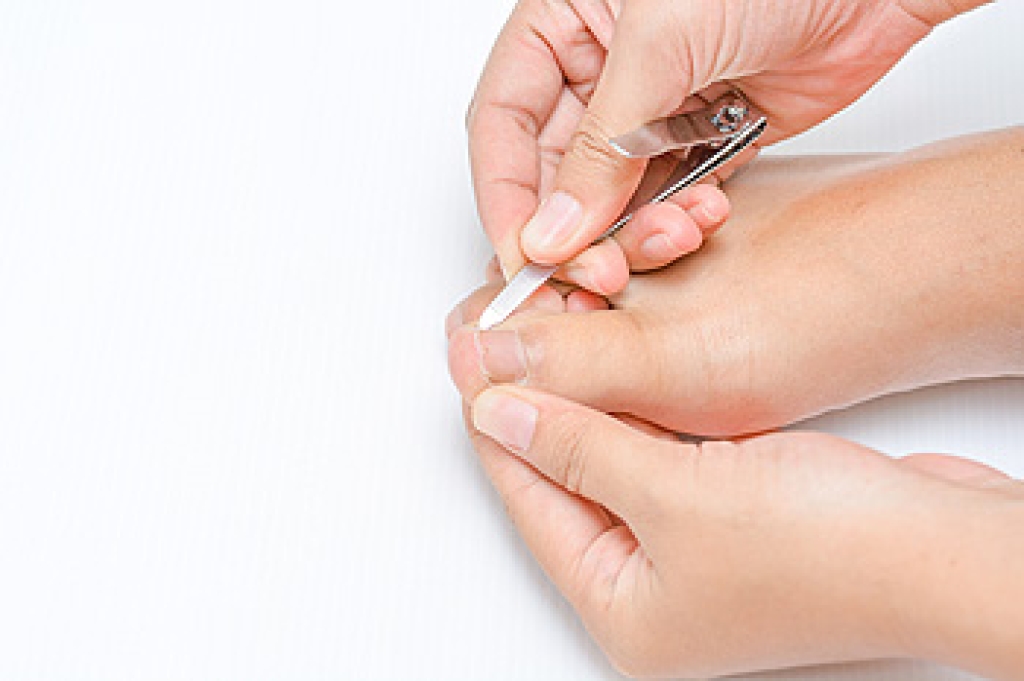
An ingrown toenail develops when the edge of a toenail grows into the surrounding skin instead of over it. This problem most often affects the big toe and can become increasingly painful if it is not treated. Several factors may contribute to an ingrown toenail, including improper nail trimming, tight-fitting shoes, or an injury to the toe. As the nail continues to press into the skin, irritation and inflammation may develop around the nail border. In some cases, bacteria can enter the damaged skin and lead to an infection. Because symptoms often worsen, a professional evaluation is important to identify the problem early and recommend appropriate treatment. Prompt podiatry care may also help prevent recurring ingrown toenails and protect overall foot health.
Symptoms of an ingrown toenail often begin with tenderness along one side of the nail. As the condition progresses, many people notice redness, swelling, or increasing pain while walking or wearing shoes. The affected area may also become warm to the touch or produce drainage if an infection develops. Everyday activities can become uncomfortable because even light pressure on the toe may cause significant discomfort. Although an ingrown toenail may seem minor at first, delaying treatment can allow inflammation and pain to become more severe. Identifying the cause early may help reduce complications and support a faster recovery.
A podiatrist specializes in diagnosing and treating ingrown toenails and other conditions affecting the feet. During an examination, the podiatrist evaluates the affected toe, determines the severity of the problem, and develops an individualized treatment plan. Treatment focuses on relieving pain, addressing infection when present, and helping prevent future nail problems. Early podiatry care may also improve comfort, restore normal toe function, and reduce the risk of recurring symptoms. If you are experiencing toe pain, swelling, or redness from an ingrown toenail, it is suggested that you consult a podiatrist for an evaluation and appropriate treatment options.
Ingrown toenails can become painful if they are not treated properly. For more information about ingrown toenails, contact the podiatrists of Bigfoot Podiatry. Our doctor can provide the care you need to keep you pain-free and on your feet.
Ingrown Toenails
Ingrown toenails occur when a toenail grows sideways into the bed of the nail, causing pain, swelling, and possibly infection.
Causes
Prevention
Wearing proper fitting shoes and using proper cutting techniques will also help decrease your risk of developing ingrown toenails.
Treatment
Ingrown toenails are a very treatable foot condition. In minor cases, soaking the affected area in salt or antibacterial soaps will not only help with the ingrown nail itself, but also help prevent any infections from occurring. In more severe cases, surgery is an option. In either case, speaking to your podiatrist about this condition will help you get a better understanding of specific treatment options that are right for you.
If you have any questions, please feel free to contact our office located in Provo, UT . We offer the newest diagnostic and treatment technologies for all your foot care needs.
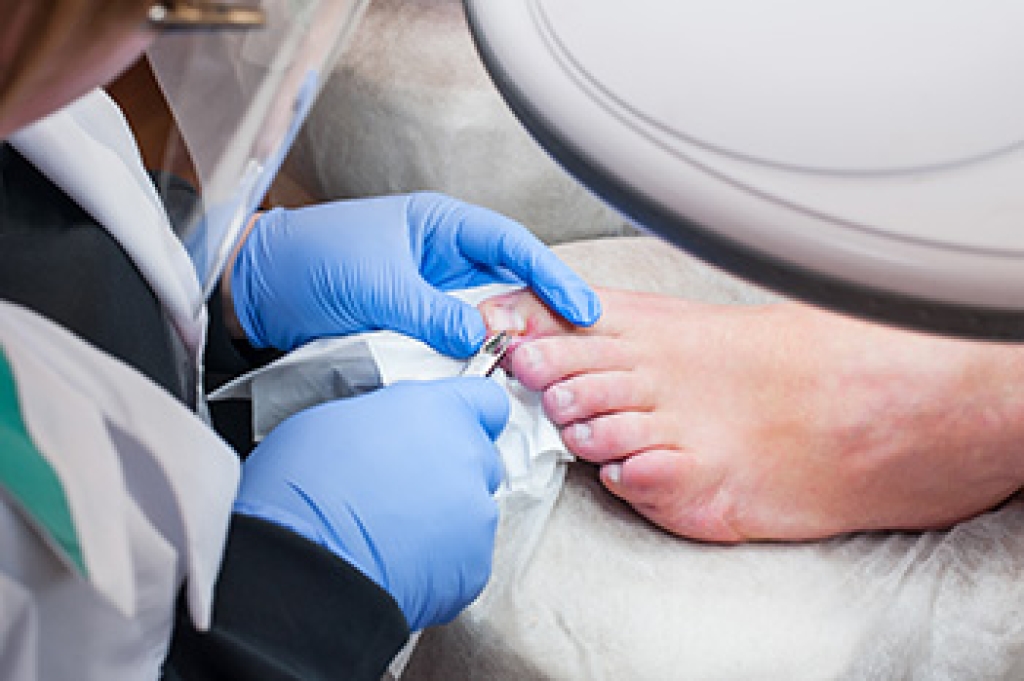
In-office foot surgery in podiatry involves minor to moderate procedures performed in a controlled clinical setting rather than in a hospital. These procedures commonly address conditions such as ingrown toenails, soft tissue lesions, and certain structural abnormalities of the foot. With advances in medical technology and the use of local anesthesia, podiatrists can safely and effectively perform many treatments within the office environment. This approach allows patients to receive prompt care while avoiding the added complexity and cost often associated with hospital-based surgery.
Symptoms that may lead to in-office surgical treatment typically include persistent pain, swelling, infection, or reduced mobility that does not respond to conservative measures. Conditions like chronic ingrown toenails, painful calluses or skin lesions, and localized tendon or soft tissue issues can significantly interfere with daily activities. When these symptoms persist or worsen over time, a minor surgical procedure may be recommended to relieve discomfort and restore normal function.
Certain factors make patients good candidates for in-office procedures. These include having a localized condition, being in generally good health, and not requiring extensive or invasive surgical correction. Delaying necessary care can increase the risk of complications, including worsening infection, greater pain, and further limitations in mobility. Early evaluation by a podiatrist helps determine the most appropriate treatment plan and whether an in-office procedure is suitable.
The benefits of in-office foot surgery include shorter recovery times, lower costs, and greater convenience. Patients often appreciate the familiar clinical setting, minimal downtime, and the ability to return home shortly after treatment. With proper aftercare and follow-up, outcomes are typically very successful. If you have a foot condition that may require surgery, it is suggested that you confer with a podiatrist who can determine whether an in-office procedure is the right option for your needs.
Foot surgery is sometimes necessary to treat a foot ailment. To learn more, contact the podiatrists of Bigfoot Podiatry. Our doctor will assist you with all of your foot and ankle needs.
When Is Surgery Necessary?
Foot and ankle surgery is generally reserved for cases in which less invasive, conservative procedures have failed to alleviate the problem. Some of the cases in which surgery may be necessary include:
What Types of Surgery Are There?
The type of surgery you receive will depend on the nature of the problem you have. Some of the possible surgeries include:
Benefits of Surgery
Although surgery is usually a last resort, it can provide more complete pain relief compared to non-surgical methods and may allow you to finally resume full activity.
Surgical techniques have also become increasingly sophisticated. Techniques like endoscopic surgery allow for smaller incisions and faster recovery times.
If you have any questions, please feel free to contact our office located in Provo, UT . We offer the newest diagnostic and treatment technologies for all your foot care needs.