


Custom orthotics, or shoe inserts, should be periodically replaced. Orthotics must fit properly to give you the best results. Protect your feet and ankles!
Custom orthotics, or shoe inserts, should be periodically replaced. Orthotics must fit properly to give you the best results. Protect your feet and ankles!
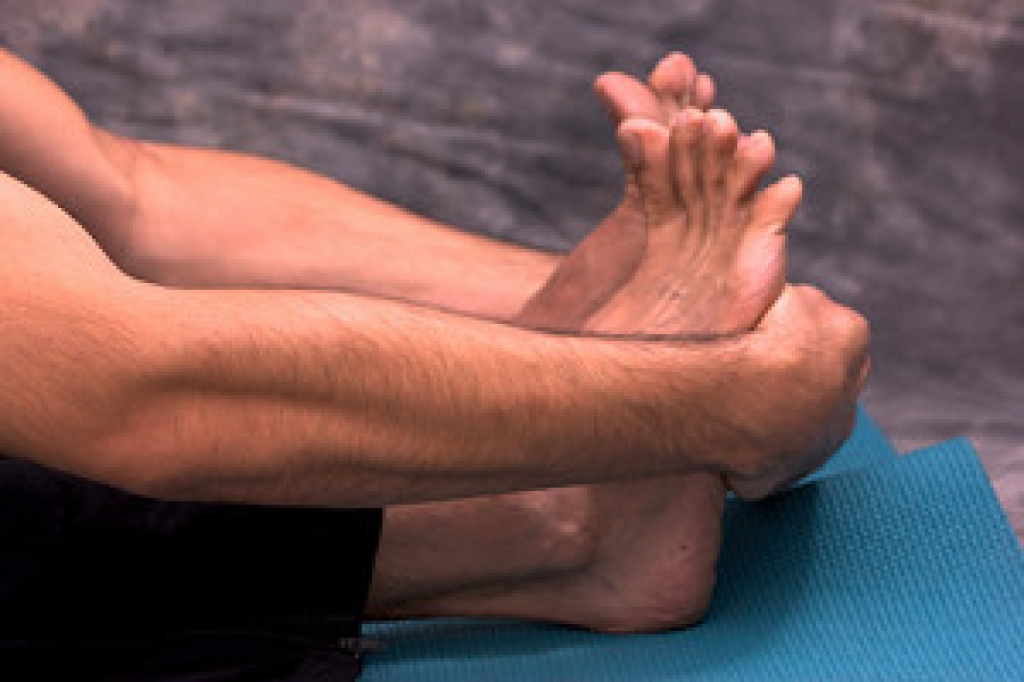
Strong feet help support balance, movement, and stability during activity. When small muscles in the feet become weak, people may notice fatigue, aching, or poor control when walking. Simple exercises can improve foot strength by targeting these muscles. They also improve flexibility in the feet and ankles. Movements that involve lifting the toes or spreading them apart can help build strength. Gentle pointing and flexing of the foot can improve range of motion. Better foot strength can support the arch and reduce strain on parts of the foot and ankle. A podiatrist can evaluate foot function and identify areas of weakness. They can guide patients through structured exercise programs and prescribe custom orthotics to support alignment. Strengthening the feet can help to improve comfort and mobility. If you have sore or aching feet that limit daily activities, it is suggested that you make an appointment with a podiatrist for help.
Exercising your feet regularly with the proper foot wear is a great way to prevent injuries and build strength. If you have any concerns about your feet, contact the podiatrists from Bigfoot Podiatry. Our doctor can provide the care you need to keep you pain-free and on your feet.
Exercise for Your Feet
Exercise for your feet can help you gain strength, mobility and flexibility in your feet. They say that strengthening your feet can be just as rewarding as strengthening another part of the body. Your feet are very important, and we often forget about them in our daily tasks. But it is because of our feet that are we able to get going and do what we need to. For those of us fortunate enough to not have any foot problems, it is an important gesture to take care of them to ensure good health in the long run.
Some foot health exercises can include ankle pumps, tip-toeing, toe rises, lifting off the floor doing reps and sets, and flexing the toes. It is best to speak with Our doctor to determine an appropriate regimen for your needs. Everyone’s needs and bodies are different, and the activities required to maintain strength in the feet vary from individual to individual.
Once you get into a routine of doing regular exercise, you may notice a difference in your feet and how strong they may become.
If you have any questions, please feel free to contact our office located in Provo, UT . We offer the newest diagnostic and treatment technologies for all your foot care needs.
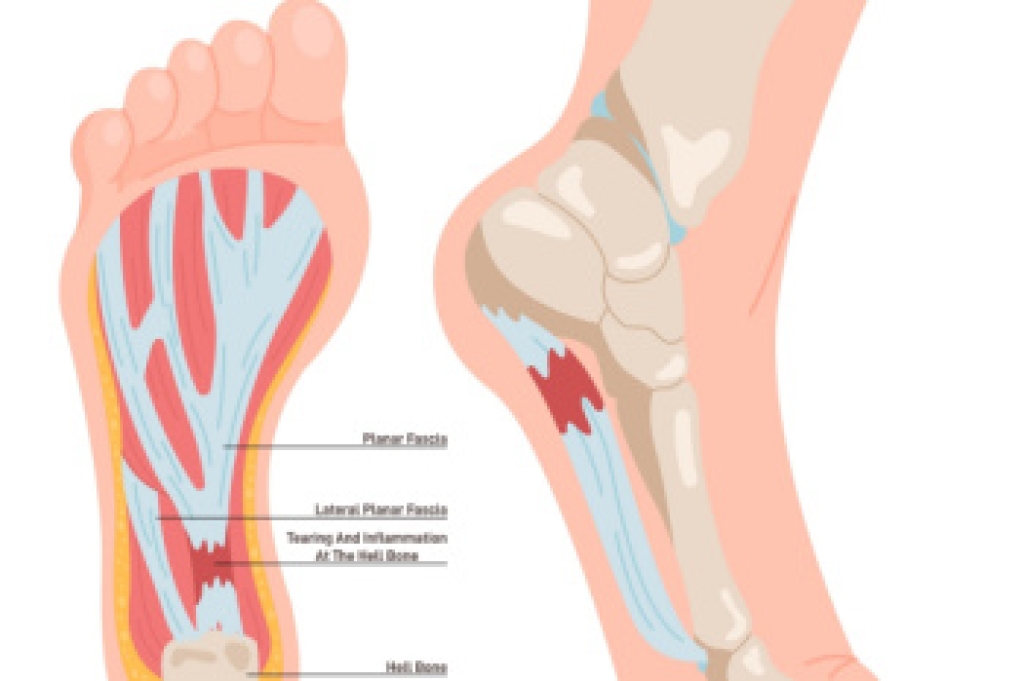
Plantar fasciitis is a common foot condition that involves inflammation of the plantar fascia, the thick band of tissue that supports the arch and connects the heel to the toes. It affects approximately one person in ten and is a leading cause of heel pain. Causes involve repetitive strain, prolonged standing, and wearing improper footwear. Risk factors include high or low arches, obesity, and tight calf muscles. A key symptom is sharp heel pain, especially with the first steps in the morning, or after rest. A podiatrist can diagnose the condition, provide custom treatment plans, and recommend supportive therapies. If you have heel pain, it is suggested that you promptly consult a podiatrist who can accurately diagnose and treat plantar fasciitis.
Plantar fasciitis is a common foot condition that is often caused by a strain injury. If you are experiencing heel pain or symptoms of plantar fasciitis, contact the podiatrists from Bigfoot Podiatry. Our doctor can provide the care you need to keep you pain-free and on your feet.
What Is Plantar Fasciitis?
Plantar fasciitis is one of the most common causes of heel pain. The plantar fascia is a ligament that connects your heel to the front of your foot. When this ligament becomes inflamed, plantar fasciitis is the result. If you have plantar fasciitis you will have a stabbing pain that usually occurs with your first steps in the morning. As the day progresses and you walk around more, this pain will start to disappear, but it will return after long periods of standing or sitting.
What Causes Plantar Fasciitis?
There are some risk factors that may make you more likely to develop plantar fasciitis compared to others. The condition most commonly affects adults between the ages of 40 and 60. It also tends to affect people who are obese because the extra pounds result in extra stress being placed on the plantar fascia.
Prevention
There are a variety of treatment options available for plantar fasciitis along with the pain that accompanies it. Additionally, physical therapy is a very important component in the treatment process. It is important that you meet with your podiatrist to determine which treatment option is best for you.
If you have any questions, please feel free to contact our office located in Provo, UT . We offer the newest diagnostic and treatment technologies for all your foot care needs.

Painful legs and moving toes syndrome is an uncommon condition that causes ongoing leg discomfort along with slow, involuntary toe movements. The pain is often described as aching, burning, or deep, and can be constant or come and go. At the same time, the toes may move on their own in a twisting or writhing pattern without control. This condition is sometimes linked to nerve injury, spinal problems, or past trauma, but the exact cause is not always clear. Diagnosis involves a detailed exam and may include imaging or nerve testing to rule out other conditions. Treatment focuses on reducing pain and controlling movement through medications, nerve-based therapies, or targeted exercise. Because symptoms can be complex and long-lasting, early evaluation is important. If you notice ongoing leg pain with unusual toe movements, it is suggested that you see a podiatrist for a proper diagnosis and appropriate treatment.
Some foot conditions may require additional professional care. If you have any concerns, contact the podiatrists of Bigfoot Podiatry. Our doctor can provide the care you need to keep you pain-free and on your feet.
Rare Foot Conditions
The majority of foot conditions are common and can be treated by a podiatrist. Standard diagnostic procedures are generally used to identify specific conditions and treatment can be rendered. A podiatrist also treats rare foot conditions which can be difficult to diagnose and may need extra attention and care.
There are many rare foot conditions that can affect children. Some of these can include:
Freiberg’s disease - This can be seen as a deterioration and flattening of a metatarsal bone that exists in the ball of the foot. It typically affects pre-teen and teenage girls, but can affect anyone at any age. Symptoms that can accompany this can be swelling, stiffness, and the patient may limp.
Kohler’s disease - This often targets the bone in the arch of the foot and affects younger boys. It can lead to an interruption of the blood supply which ultimately can lead to bone deterioration. The patient may limp or experience tenderness, swelling, and redness.
Maffucci syndrome - This affects the long bones in a child’s foot leading to the development of abnormal bone lesions. They are benign growths and typically develop in early childhood and the bones may be susceptible to breaking.
A podiatrist can properly diagnose and treat all types of rare foot conditions. If your child is affected by any of these symptoms or conditions, please don’t hesitate to call our office so the correct treatment method can begin.
If you have any questions, please feel free to contact our office located in Provo, UT . We offer the newest diagnostic and treatment technologies for all your foot care needs.
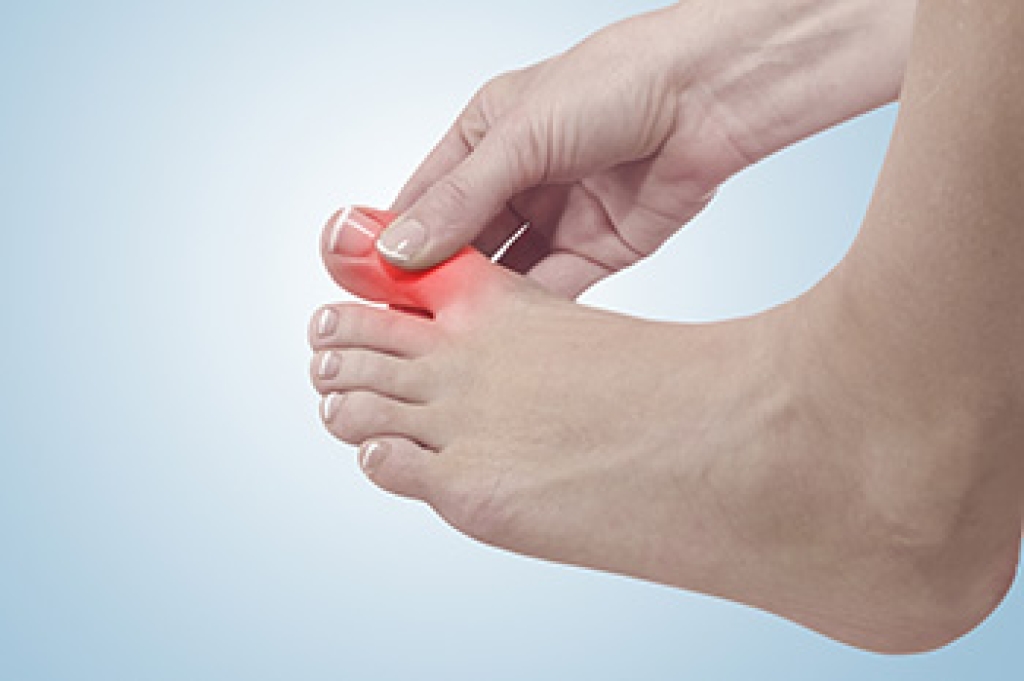
Osteoarthritis in the big toe, often called hallux rigidus, occurs when the cartilage in the joint at the base of the toe gradually wears down. This joint plays an important role in walking, especially during push-off. Over time, repeated stress, prior injury, or inherited foot structure can lead to joint damage. Patients often notice pain and stiffness in the big toe, particularly when bending it upward. The joint may appear swollen, enlarged, or develop a visible bump from bone spurs. Shoes with a narrow toe box can make the discomfort worse, and walking or running may become difficult. As the condition progresses, motion in the joint becomes limited and the pain may increase. A podiatrist can evaluate the joint, obtain imaging if needed, and determine the stage of arthritis. Treatment may include shoe modifications, custom orthotics, anti-inflammatory care, and targeted exercises. In advanced cases, surgical options may be discussed. If you have osteoarthritis in the big toe, it is suggested that you make an appointment with a podiatrist for proper evaluation and care.
Toe pain can disrupt your daily activities. If you have any concerns, contact the podiatrists of Bigfoot Podiatry. Our doctor can provide the care you need to keep you pain-free and on your feet.
What Causes Toe Pain?
Most severe toe pain is caused due to a sports injury, trauma from dropping something heavy on the toe, or bumping into something rigid. Other problems can develop over time for various reasons.
Toe pain can be caused by one or more ailments. The most common include:
When to See a Podiatrist
Diagnosis
In many cases the cause of toe pain is obvious, but in others, a podiatrist may want to use more advanced methods to determine the problem. These can range from simple visual inspections and sensation tests to X-rays and MRI scans. Prior medical history, family medical history, and any recent physical traumatic events will all be taken into consideration for a proper diagnosis.
Treatment
Treatments for toe pain and injuries vary and may include shoe inserts, padding, taping, medicines, injections, and in some cases, surgery. If you believe that you have broken a toe, please see a podiatrist as soon as possible.
If you have any questions please contact our office located in Provo, UT . We offer the newest diagnostic and treatment technologies for all your foot and ankle needs.