


You don't need an excuse to have beautiful nails. Step outside without worrying about the appearance of your feet.
You don't need an excuse to have beautiful nails. Step outside without worrying about the appearance of your feet.
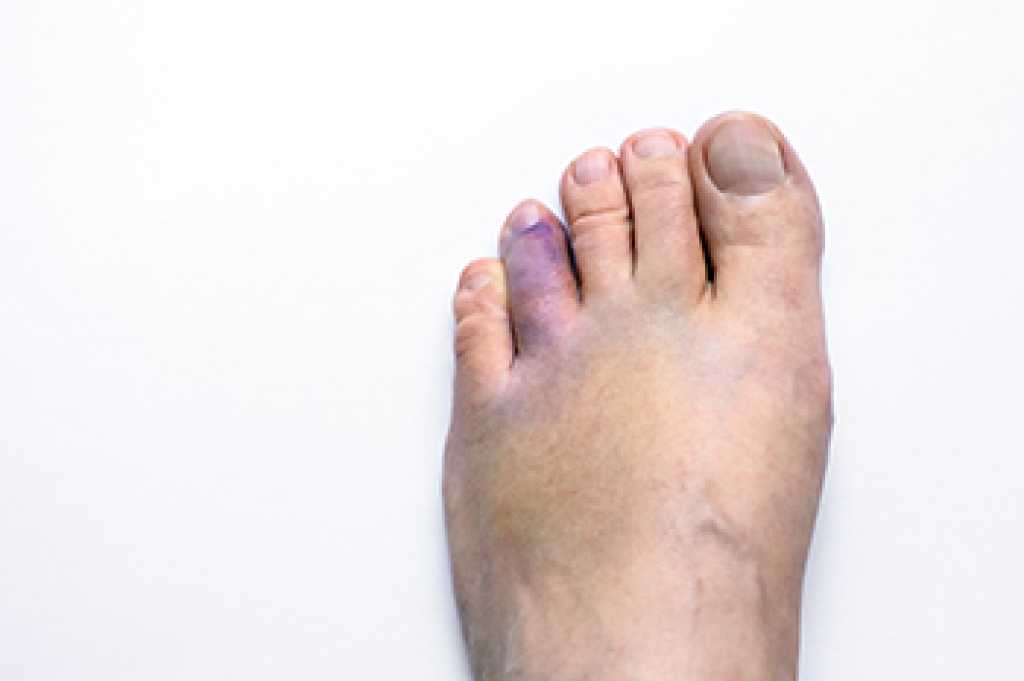
A broken toe can make even simple daily activities uncomfortable because every step places pressure on the injured bone. A toe fracture occurs when one or more of the small bones in a toe break after a direct impact or twisting injury. People frequently injure a toe by stubbing it against a hard object or dropping something heavy on the foot. Pain usually begins immediately and can become worse while walking or standing. Swelling and bruising are also common. Some patients notice that the injured toe appears crooked or is difficult to move. A podiatrist can examine the foot, determine the severity of the injury, and identify whether another condition is causing similar symptoms.
Broken toes vary in severity, and proper diagnosis is important for successful healing. Some fractures remain in normal alignment, while others shift out of position. A displaced fracture means the broken pieces of bone no longer line up correctly. This type of injury can affect the way the toe functions and sometimes changes the way a person walks. A podiatrist performs a thorough examination and usually recommends X-rays to confirm the fracture and determine its exact location. The evaluation also helps to identify injuries to nearby joints, ligaments, or other bones in the foot that can develop at the same time.
Treatment depends on the location of the fracture and whether the bone remains properly aligned. A podiatrist can monitor healing with follow-up examinations and recommend treatment based on the specific injury. Some fractures require realignment to place the bones in their proper position. More severe injuries sometimes require surgery to restore stability and improve healing. Patients also benefit from guidance about wearing shoes that provide proper support while recovering from the injury. Early diagnosis and podiatric care can improve comfort, protect foot function, and reduce the chance of long-term complications. If you have broken a toe, it is suggested that you schedule an appointment with a podiatrist for appropriate treatment and management solutions.
A broken toe can be very painful and lead to complications if not properly fixed. If you have any concerns about your feet, contact the podiatrists from Bigfoot Podiatry. Our doctor will treat your foot and ankle needs.
What to Know About a Broken Toe
Although most people try to avoid foot trauma such as banging, stubbing, or dropping heavy objects on their feet, the unfortunate fact is that it is a common occurrence. Given the fact that toes are positioned in front of the feet, they typically sustain the brunt of such trauma. When trauma occurs to a toe, the result can be a painful break (fracture).
Symptoms of a Broken Toe
Generally, it is best to stay off of the injured toe with the affected foot elevated.
Severe toe fractures may be treated with a splint, cast, and in some cases, minor surgery. Due to its position and the pressure it endures with daily activity, future complications can occur if the big toe is not properly treated.
If you have any questions, please feel free to contact our office located in Provo, UT . We offer the newest diagnostic and treatment technologies for all your foot care needs.

Heel spurs are bony growths that develop on the underside or back of the heel bone. They form after long-term stress, where muscles, tendons, or ligaments attach to the bone. A ligament is a strong band of tissue that connects one bone to another. Many heel spurs develop along with plantar fasciitis, which is irritation of the thick band of tissue that supports the arch of the foot. Some people have heel spurs without pain, while others feel sharp discomfort when standing or walking. Pain is frequently worse after getting out of bed or after sitting for a long period of time. Shoes that lack proper support, repeated strain, and excess body weight can increase the risk of developing a heel spur.
A podiatrist can determine whether a heel spur is causing your symptoms or whether another foot problem is responsible. The examination includes checking the location of the pain, your foot structure, and the way you walk. X-rays can show the presence of a heel spur and help rule out other conditions. Although the spur is easy to see on an X-ray, the surrounding soft tissue is frequently the source of the pain. Identifying the exact cause is important because treatment should focus on relieving the irritated tissue as well as reducing stress on the heel.
Treatment depends on the severity of the pain and the underlying condition. A podiatrist can recommend custom orthotics, supportive padding, or shoes that provide proper support to reduce pressure on the heel. Additional treatment includes anti-inflammatory medication, or corticosteroid injections to reduce pain and irritation. For patients with long-lasting symptoms that do not improve with other treatments, surgery can remove the heel spur or release the tight tissue causing the pain. Early evaluation helps prevent worsening discomfort and supports better movement. If you have symptoms of heel spurs, it is suggested that you schedule an appointment with a podiatrist for an accurate diagnosis and appropriate treatment.
Heel spurs can be incredibly painful and sometimes may make you unable to participate in physical activities. To get medical care for your heel spurs, contact the podiatrists from Bigfoot Podiatry. Our doctor will do everything possible to treat your condition.
Heels Spurs
Heel spurs are formed by calcium deposits on the back of the foot where the heel is. This can also be caused by small fragments of bone breaking off one section of the foot, attaching onto the back of the foot. Heel spurs can also be bone growth on the back of the foot and may grow in the direction of the arch of the foot.
Older individuals usually suffer from heel spurs and pain sometimes intensifies with age. One of the main condition's spurs are related to is plantar fasciitis.
Pain
The pain associated with spurs is often because of weight placed on the feet. When someone is walking, their entire weight is concentrated on the feet. Bone spurs then have the tendency to affect other bones and tissues around the foot. As the pain continues, the feet will become tender and sensitive over time.
Treatments
There are many ways to treat heel spurs. If one is suffering from heel spurs in conjunction with pain, there are several methods for healing. Medication, surgery, and herbal care are some options.
If you have any questions, please feel free to contact our office located in Provo, UT . We offer the newest diagnostic and treatment technologies for all your foot care needs.

Diabetes can affect much more than blood sugar levels. It can also increase the risk of falls, especially in older adults. One reason is that diabetes can damage nerves in the feet, a condition called neuropathy. Neuropathy can reduce feeling in the feet and make it harder to notice the ground beneath you. This loss of sensation can affect balance and stability. Diabetes can also cause foot pain, muscle weakness, and changes in the way a person walks. These problems make it more difficult to move safely while walking and increase the chance of losing balance. Research has shown that people with diabetes experience falls more frequently than those without the condition.
Falls can lead to serious injuries. Broken bones, foot injuries, and ankle injuries can affect mobility and independence. People with diabetes also face challenges related to circulation and nerve function, which can make recovery from injuries more difficult. Some diabetics use special off-loading footwear to reduce pressure on certain areas of the feet. Off-loading means taking pressure away from an injured area to protect it. While these devices can be important for foot health, they can sometimes affect balance and walking patterns. Certain diabetes medications can also contribute to dizziness or unsteadiness, increasing fall risk.
A podiatrist plays an important role in helping reduce fall risk in diabetics. This type of doctor can evaluate foot structure, balance, and walking patterns. They can identify areas of weakness and detect nerve-related foot problems. They can also assess footwear and recommend options that improve stability. Regular foot examinations can help detect changes before they become serious problems. Early diagnosis and professional care can help patients remain active and move with greater confidence. If you have diabetes, have fallen, or feel you may be at risk of falling, it is suggested that you schedule an appointment with a podiatrist for effective relief and management solutions.
Preventing falls among the elderly is very important. If you are older and have fallen or fear that you are prone to falling, consult with the podiatrists from Bigfoot Podiatry. Our doctor will assess your condition and provide you with quality advice and care.
Every 11 seconds, an elderly American is being treated in an emergency room for a fall related injury. Falls are the leading cause of head and hip injuries for those 65 and older. Due to decreases in strength, balance, senses, and lack of awareness, elderly persons are very susceptible to falling. Thankfully, there are a number of things older persons can do to prevent falls.
How to Prevent Falls
Some effective methods that older persons can do to prevent falls include:
Falling can be a traumatic and embarrassing experience for elderly persons; this can make them less willing to leave the house, and less willing to talk to someone about their fears of falling. Doing such things, however, will increase the likelihood of tripping or losing one’s balance. Knowing the causes of falling and how to prevent them is the best way to mitigate the risk of serious injury.
If you have any questions, please feel free to contact our office located in Provo, UT . We offer the newest diagnostic and treatment technologies for all your foot care needs.
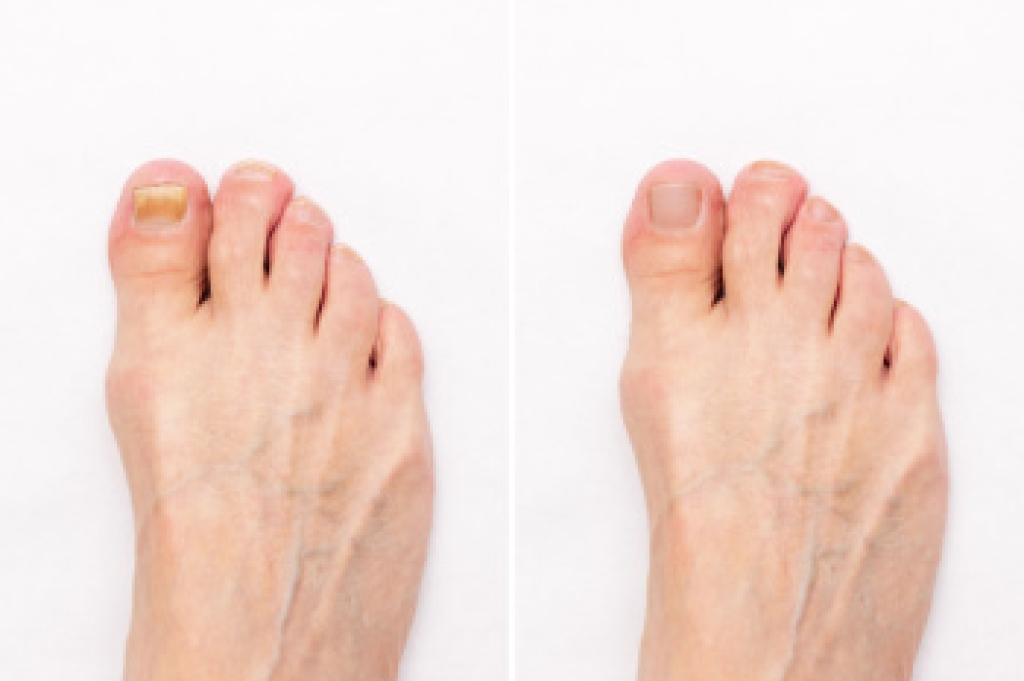
Fungal infections of the feet are caused by different types of fungi that affect the skin or toenails. One of the most common infections is athlete’s foot, which affects the skin between the toes, on the soles, or along the sides of the feet. This infection can spread in warm, damp places like locker rooms and public pools. Symptoms include itching, peeling skin, and cracking. Another common fungal infection affects the toenails. The nails can become thick, brittle, and discolored. Some people also notice debris collecting under the nail. Fungal infections can be stubborn and tend to worsen when they are not treated properly.
Different types of fungi are responsible for these infections. Dermatophytes are fungi that feed on keratin, a protein found in skin and nails. These fungi are the leading cause of athlete’s foot and many toenail infections. Molds are another type of fungus that can infect the toenails, especially when a nail has been damaged. Yeasts, including a type called Candida, can also cause infections of the skin and nails. Candida normally lives on the skin without causing problems. However, when it grows excessively, it can lead to redness, irritation, and nail changes.
A podiatrist can identify the type of fungal infection by examining the affected area and evaluating the symptoms. Treatment depends on the location and severity of the infection. Athlete’s foot is commonly treated with antifungal creams, sprays, or powders. More advanced infections sometimes require prescription medicine. Toenail fungus frequently requires oral medication because the infection develops beneath the nail surface. Early treatment can help prevent the infection from spreading to other nails or areas of the foot. If you have symptoms of a fungal infection in your feet, it is suggested that you make an appointment with a podiatrist for an exam and treatment options.
If left untreated, toenail fungus may spread to other toenails, skin, or even fingernails. If you suspect you have toenail fungus it is important to seek treatment right away. For more information about treatment, contact the podiatrists of Bigfoot Podiatry. Our doctor can provide the care you need to keep you pain-free and on your feet.
Symptoms
Treatment
If self-care strategies and over-the-counter medications does not help your fungus, your podiatrist may give you a prescription drug instead. Even if you find relief from your toenail fungus symptoms, you may experience a repeat infection in the future.
Prevention
In order to prevent getting toenail fungus in the future, you should always make sure to wash your feet with soap and water. After washing, it is important to dry your feet thoroughly especially in between the toes. When trimming your toenails, be sure to trim straight across instead of in a rounded shape. It is crucial not to cover up discolored nails with nail polish because that will prevent your nail from being able to “breathe”.
In some cases, surgical procedure may be needed to remove the toenail fungus. Consult with your podiatrist about the best treatment options for your case of toenail fungus.
If you have any questions please contact our office located in Provo, UT . We offer the newest diagnostic and treatment technologies for all your foot and ankle needs.