

Blog

How to Diagnose Ankle Sprains

An ankle sprain happens when the ligaments that support the ankle are stretched too far or torn. Ligaments are strong bands of tissue that connect bones and help keep joints stable. Most ankle sprains occur when the foot twists inward and the ankle rolls unexpectedly. This can happen while playing sports, stepping on an uneven surface, or missing a step on a staircase. Symptoms usually include pain, swelling, and bruising. Some people also notice tenderness around the ankle or feel that the joint is unstable when standing or walking. The severity of an ankle sprain can range from a mild stretch of the ligament to a complete tear.

Prompt evaluation is important because an ankle sprain can sometimes be more serious than it first appears. Severe sprains can make it difficult to put weight on the foot and may cause significant swelling. Without proper treatment, damaged ligaments can heal poorly and leave the ankle less stable. This increases the risk of future sprains and ongoing discomfort. A podiatrist can perform a thorough examination and determine the extent of the injury. Diagnostic imaging, like X-rays or advanced scans, can help rule out fractures and identify damage to soft tissues. Early diagnosis helps guide treatment and supports a safer recovery process.

Treatment depends on the severity of the sprain and the patient’s activity level. A podiatrist may recommend bracing, immobilization, or physical therapy to help restore strength and stability. Rehabilitation focuses on improving balance, flexibility, and muscle control. These measures help reduce the risk of repeat injuries and support a return to normal activities. In cases involving severe ligament damage or long-term instability, surgery may be considered. Proper treatment can help patients regain confidence in their movement and reduce the chance of chronic ankle problems. If you have symptoms of an ankle sprain, it is suggested that you make an appointment with a podiatrist for diagnosis and treatment.

Although ankle sprains are common, they aren’t always minor injuries. If you need your ankle injury looked at, contact the podiatrists from Bigfoot Podiatry. Our doctor can provide the care you need to keep you pain-free and on your feet.

How Does an Ankle Sprain Occur?

Ankle sprains are the result of a tear in the ligaments within the ankle. These injuries may happen when you make a rapid shifting movement while your foot is planted. A less common way to sprain your ankle is when your ankle rolls inward while your foot turns outward.

What Are the Symptoms?

  • Pain at the sight of the tear
  • Bruising/Swelling
  • Ankle area is tender to touch
  • In severe cases, may hear/feel something tear
  • Skin discoloration

Preventing a Sprain

  • Wearing appropriate shoes for the occasion
  • Stretching before exercises and sports
  • Knowing your limits

Treatment of a Sprain

In many cases, the RICE method (Rest, Ice, Compression, and Elevate) is used to treat ankle sprains. However, you should see a podiatrist to see which treatment option would work best with your injury. In severe cases, surgery may be required.

It is important to ask your doctor about rehab options after you receive treatment for your injury. Stretching, strength training, and balance exercises may help the ankle heal while also preventing further injury.

If you have any questions, please feel free to contact our office located in Provo, UT . We offer the newest diagnostic and treatment technologies for all your foot care needs.

Read more about Three Grades of Ankle Sprains

The Symptoms of an Ingrown Toenail

There are various reasons why patients can develop an ingrown toenail. These can include incorrectly trimming the toenails, genetic predisposition, and wearing shoes that do not fit properly. Many patients have symptoms such as redness and tenderness surrounding the ingrown toenail, and an infected toe may cause pus to drain from it. Mild relief may be found when the foot is soaked in warm water, and it may help to wear larger shoes. The feet can feel better when they are clean and dry, and it may help to apply an antibacterial ointment. If you have developed an ingrown toenail, it is suggested that you seek the counsel of a podiatrist who can properly treat this condition.

Ingrown toenails may initially present themselves as a minor discomfort, but they may progress into an infection in the skin without proper treatment. For more information about ingrown toenails, contact the podiatrists of Bigfoot Podiatry. Our doctor can provide the care you need to keep you pain-free and on your feet.

Ingrown Toenails

Ingrown toenails are caused when the corner or side of a toenail grows into the soft flesh surrounding it. They often result in redness, swelling, pain, and in some cases, infection. This condition typically affects the big toe and may recur if it is not treated properly.

Causes

  • Improper toenail trimming
  • Genetics
  • Improper shoe fitting
  • Injury from pedicures or nail picking
  • Abnormal gait
  • Poor hygiene

You are more likely to develop an ingrown toenail if you are obese, have diabetes, arthritis, or have any fungal infection in your nails. Additionally, people who have foot or toe deformities are at a higher risk of developing an ingrown toenail.

Symptoms

Some symptoms of ingrown toenails are redness, swelling, and pain. In rare cases, there may be a yellowish drainage coming from the nail.

Treatment

Ignoring an ingrown toenail can have serious complications. Infections of the nail border can progress to a deeper soft-tissue infection, which can then turn into a bone infection. You should always speak with your podiatrist if you suspect you have an ingrown toenail, especially if you have diabetes or poor circulation.

If you have any questions, please feel free to contact our office located in Provo, UT . We offer the newest diagnostic and treatment technologies for all your foot care needs.

Read more about Ingrown Toenails

Understanding Psoriatic Arthritis in the Foot

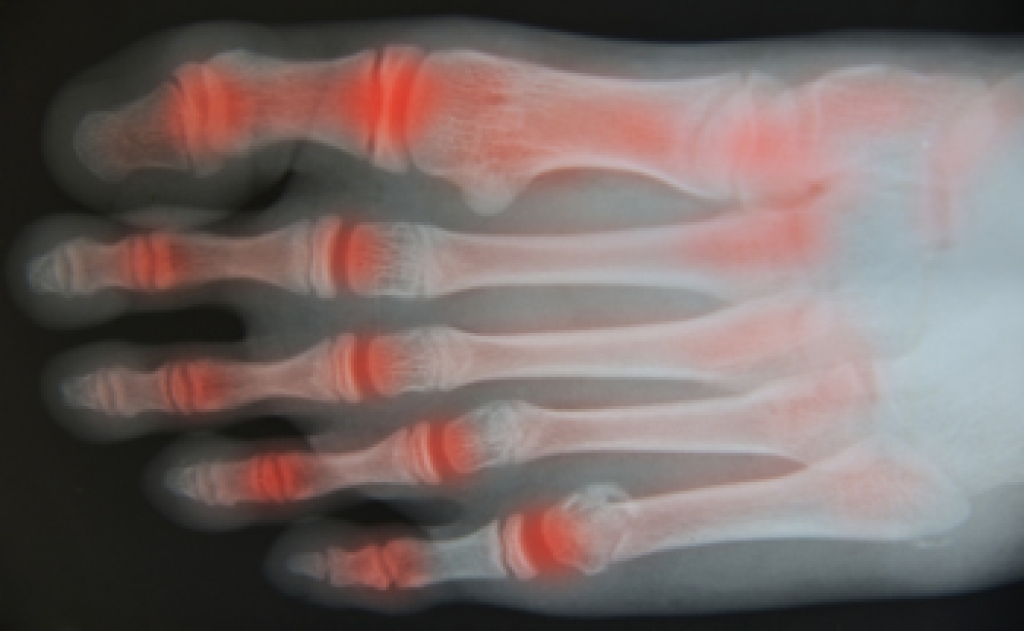
Psoriatic arthritis in the foot is an inflammatory condition linked to psoriasis that affects joints and surrounding tissues. It often appears with pain, tenderness, and swelling, especially in the toes and heel. Some people notice sausage like swelling of digits or thickened nails. The condition develops when the immune system mistakenly attacks healthy tissue, leading to joint damage over time. Triggers may include stress, injury, infection, or genetic factors. Symptoms can come and go in flares that vary in intensity. A podiatrist can evaluate joint changes, provide imaging, guide medication plans, and recommend supportive devices to improve function and reduce pain. Early diagnosis helps prevent deformity and long-term mobility problems in daily life. If you have this foot condition, It is suggested that you consult a podiatrist who can offer effective relief and management tips.

Arthritis can be a difficult condition to live with. If you are seeking treatment, contact the podiatrists from Bigfoot Podiatry. Our doctor can provide the care you need to keep you pain-free and on your feet.

Arthritic Foot Care  

Arthritis is a joint disorder that involves the inflammation of different joints in your body, such as those in your feet. Arthritis is often caused by a degenerative joint disease and causes mild to severe pain in all affected areas. In addition to this, swelling and stiffness in the affected joints can also be a common symptom of arthritis.

In many cases, wearing ill-fitting shoes can worsen the effects and pain of arthritis. Wearing shoes that have a lower heel and extra room can help your feet feel more comfortable. In cases of rheumatoid arthritis, the arch in your foot may become problematic. Buying shoes with proper arch support that contour to your feet can help immensely.

Alleviating Arthritic Pain

  • Exercises that stretch the foot can prevent further pain and injury and increase mobility
  • Most of the pain can be alleviated with anti-inflammatory drugs, heat, and topical medications
  • Massages can help temporarily alleviate pain.

It is best to see your doctor for the treatment that is right for your needs and symptoms. Conditions vary, and a podiatrist can help you determine the right method of care for your feet.

If you have any questions please feel free to contact our office located in Provo, UT . We offer the newest diagnostic tools and technology to treat your foot and ankle needs.

Read more about Arthritic Foot Care

Causes and Treatment of Diabetic Foot Ulcers

Diabetic foot ulcers are slow-healing wounds that often develop on the feet of people with diabetes. They occur when high blood sugar damages nerves and blood vessels. Nerve damage reduces feeling in the feet, so small injuries may go unnoticed. Poor circulation limits blood flow, which slows healing and increases the risk of infection. Common causes of diabetic foot ulcers include repeated pressure, cuts on the feet, and skin irritation that does not heal. Symptoms include open sores, redness, drainage, and surrounding skin changes. A podiatrist can examine the ulcer, assess blood flow and sensation, and determine the severity. Treatment includes removing damaged tissue, controlling infection, and using wound dressings. Imaging may be used to check deeper structures. Ongoing care helps prevent more serious complications and supports healing. If you have symptoms of diabetic foot ulcers, it is suggested that you make an appointment with a podiatrist for a diagnosis and ongoing treatment.

Diabetic foot care is important in preventing foot ailments such as ulcers. If you are suffering from diabetes or have any other concerns about your feet, contact the podiatrists from Bigfoot Podiatry. Our doctor can provide the care you need to keep you pain-free and on your feet.

Diabetic Foot Care

Diabetes affects millions of people every year. The condition can damage blood vessels in many parts of the body, especially the feet. Because of this, taking care of your feet is essential if you have diabetes, and having a podiatrist help monitor your foot health is highly recommended.

The Importance of Caring for Your Feet

  • Routinely inspect your feet for bruises or sores.
  • Wear socks that fit your feet comfortably.
  • Wear comfortable shoes that provide adequate support.

Patients with diabetes should have their doctor monitor their blood levels, as blood sugar levels play such a huge role in diabetic care. Monitoring these levels on a regular basis is highly advised.

It is always best to inform your healthcare professional of any concerns you may have regarding your feet, especially for diabetic patients. Early treatment and routine foot examinations are keys to maintaining proper health, especially because severe complications can arise if proper treatment is not applied.

If you have any questions, please feel free to contact our office located in Provo, UT . We offer the newest diagnostic and treatment technologies for all your foot care needs.

Read more about Diabetic Foot Conditions

Sever’s Disease can Affect the Growth Plate in the Heel

The medical condition that is referred to as Sever’s disease can affect children and young adults who participate in sporting activities. There is a soft area in the heel bone known as the calcaneal growth plate, and it is surrounded by the Achilles tendon and plantar fascia. The heel plate may become inflamed as consistent body weight is placed on the foot, and this may cause your child to limp. It is beneficial to stop the activity that has caused the injury. Additionally, your child may feel relief when a heel lift is placed inside the shoe, as this may help to relieve a portion of the pressure. If your child is complaining of heel pain, consult with a podiatrist who can perform a proper diagnosis and begin effective treatment as soon as possible.

Sever's disease often occurs in children and teens. If your child is experiencing foot or ankle pain, see the podiatrists from Bigfoot Podiatry. Our doctor can treat your child’s foot and ankle needs.

Sever’s Disease

Sever’s disease is also known as calcaneal apophysitis, which is a medical condition that causes heel pain I none or both feet. The disease is known to affect children between the ages of 8 and 14.

Sever’s disease occurs when part of the child’s heel known as the growth plate (calcaneal epiphysis) is attached to the Achilles tendon. This area can suffer injury when the muscles and tendons of the growing foot do not keep pace with bone growth. Therefore, the constant pain which one experiences at the back of the heel will make the child unable to put any weight on the heel. The child is then forced to walk on their toes.

Symptoms

Acute pain – Pain associated with Sever’s disease is usually felt in the heel when the child engages in physical activity such as walking, jumping and or running.

Highly active – Children who are very active are among the most susceptible in experiencing Sever’s disease, because of the stress and tension placed on their feet.

If you have any questions, please feel free to contact our office located in Provo, UT . We offer the newest diagnostic and treatment technologies for all your foot care needs.

Read more about Sever's Disease
Connect with us
Podiatrist, Foot Doctor in Provo and Spanish Fork, UT on Facebook Podiatrist, Foot Doctor in Provo and Spanish Fork, UT on Twitter Review us on google Provo and Spanish Fork Podiatry Blog

Podiatry News in Provo and Spanish Fork, UT