


 Randy Garr - Default
August 2024
Tuesday, 27 August 2024 00:00
Improving Poor Foot Circulation

Poor foot circulation can lead to discomfort and potentially serious health issues. To improve foot circulation, start by incorporating regular physical activity into your routine, such as walking or swimming, to stimulate blood flow. Elevating your feet when sitting or lying down can also help to reduce swelling and promote circulation. Avoid crossing your legs for long periods, as this can restrict blood flow. Massage therapy can be beneficial for increasing circulation and reducing muscle tension. Wearing compression socks or stockings can improve circulation by helping veins and muscles move blood more effectively. Staying hydrated and maintaining a balanced diet can help to support overall vascular health. Lastly, quitting smoking and managing conditions like diabetes and high blood pressure can further improve blood flow to the feet. If you have poor foot circulation, it is suggested that you contact a podiatrist who can help you manage this condition by guiding you toward additional effective relief strategies.
While poor circulation itself isn’t a condition; it is a symptom of another underlying health condition you may have. If you have any concerns with poor circulation in your feet contact Dr. Randy Garr of Bigfoot Podiatry. Our doctor will treat your foot and ankle needs.
Poor Circulation in the Feet
Peripheral artery disease (PAD) can potentially lead to poor circulation in the lower extremities. PAD is a condition that causes the blood vessels and arteries to narrow. In a linked condition called atherosclerosis, the arteries stiffen up due to a buildup of plaque in the arteries and blood vessels. These two conditions can cause a decrease in the amount of blood that flows to your extremities, therefore resulting in pain.
Symptoms
Some of the most common symptoms of poor circulation are:
- Numbness
- Tingling
- Throbbing or stinging pain in limbs
- Pain
- Muscle Cramps
Treatment for poor circulation often depends on the underlying condition that causes it. Methods for treatment may include insulin for diabetes, special exercise programs, surgery for varicose veins, or compression socks for swollen legs.
As always, see a podiatrist as he or she will assist in finding a regimen that suits you. A podiatrist can also prescribe you any needed medication.
If you have any questions, please feel free to contact our office located in Provo, UT . We offer the newest diagnostic and treatment technologies for all your foot care needs.
Tuesday, 20 August 2024 00:00
Painful Flat Feet
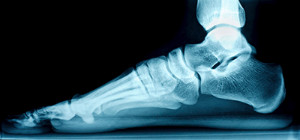 Flat feet, or pes planus, is a condition where the arches of the feet collapse, causing the entire sole to make contact with the ground. While some individuals with flat feet experience no symptoms, others may face a range of issues. Included are foot pain, overpronation, and discomfort in the ankles, knees, hips, and lower back due to improper alignment and weight distribution. Flat feet can lead to fatigue and difficulty in standing or walking for extended periods. To manage flat feet, wearing supportive shoes with strong arch support and cushioning is essential. Custom orthotics can provide personalized support, alleviating pressure and improving alignment. Regular stretching and strengthening exercises for the feet and calves can enhance flexibility and stability. If you have painful flat feet and discomfort persists, it is suggested that you consult a podiatrist.
Flatfoot is a condition many people suffer from. If you have flat feet, contact Dr. Randy Garr from Bigfoot Podiatry. Our doctor will treat your foot and ankle needs.
What Are Flat Feet?
Flatfoot is a condition in which the arch of the foot is depressed and the sole of the foot is almost completely in contact with the ground. About 20-30% of the population generally has flat feet because their arches never formed during growth.
Conditions & Problems:
Having flat feet makes it difficult to run or walk because of the stress placed on the ankles.
Alignment – The general alignment of your legs can be disrupted, because the ankles move inward which can cause major discomfort.
Knees – If you have complications with your knees, flat feet can be a contributor to arthritis in that area.
Symptoms
- Pain around the heel or arch area
- Trouble standing on the tip toe
- Swelling around the inside of the ankle
- Flat look to one or both feet
- Having your shoes feel uneven when worn
Treatment
If you are experiencing pain and stress on the foot you may weaken the posterior tibial tendon, which runs around the inside of the ankle.
If you have any questions please feel free to contact our office located in Provo, UT . We offer the newest diagnostic and treatment technologies for all your foot and ankle needs.
Tuesday, 13 August 2024 00:00
What Is Morton’s Neuroma?
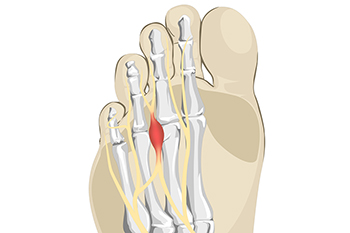
One common cause of foot pain is Morton’s neuroma, a thickening of the nerve tissue between the toes. This condition usually affects the space between the third and fourth toes, causing symptoms such as burning pain, tingling, numbness, and a strange sensation like walking on a pebble. Pain is often worsened by wearing shoes that are too tight or have high heels. Morton’s neuroma can be diagnosed through medical history and physical examination. In some cases, imaging studies may be needed to rule out other causes of foot pain. Treatment often includes resting the foot, wearing orthotics, and taking medications to reduce pain. In many cases, surgical intervention is needed. If you have symptoms of Morton’s neuroma, it is suggested you make an appointment with a podiatrist for care and treatment options.
Morton’s neuroma is a very uncomfortable condition to live with. If you think you have Morton’s neuroma, contact Dr. Randy Garr of Bigfoot Podiatry. Our doctor will attend to all of your foot care needs and answer any of your related questions.
Morton’s Neuroma
Morton's neuroma is a painful foot condition that commonly affects the areas between the second and third or third and fourth toe, although other areas of the foot are also susceptible. Morton’s neuroma is caused by an inflamed nerve in the foot that is being squeezed and aggravated by surrounding bones.
What Increases the Chances of Having Morton’s Neuroma?
- Ill-fitting high heels or shoes that add pressure to the toe or foot
- Jogging, running or any sport that involves constant impact to the foot
- Flat feet, bunions, and any other foot deformities
Morton’s neuroma is a very treatable condition. Orthotics and shoe inserts can often be used to alleviate the pain on the forefront of the feet. In more severe cases, corticosteroids can also be prescribed. In order to figure out the best treatment for your neuroma, it’s recommended to seek the care of a podiatrist who can diagnose your condition and provide different treatment options.
If you have any questions, please feel free to contact our office located in Provo, UT . We offer the newest diagnostic and treatment technologies for all your foot care needs.
Tuesday, 06 August 2024 00:00
Turf Toe Injuries Common in Athletes

Turf toe, or a metatarsophalangeal, MTP, joint sprain, is a common injury affecting athletes, particularly those playing on artificial turf. This injury occurs when the big toe is hyperextended as the heel lifts off the ground, causing the soft tissues and ligaments in the MTP joint to stretch or tear. Athletes who make sudden movements or push off their toes into sprints are especially vulnerable. Turf toe can vary in severity, from mild where tissues are stretched, to severe where tissues are completely torn and the joint may be dislocated. Symptoms can include pain, swelling, bruising, limited range of motion, and sometimes a loose or unstable joint. A podiatrist can diagnose and treat turf toe effectively through imaging tests, like X-rays or MRI scans, and create a treatment plan. This includes medication, custom orthotics, or in rare cases, surgery. Timely consultation with a podiatrist ensures proper healing and helps athletes return to their sport. If you are experiencing pain in the big toe joint, it is suggested that you schedule an appointment with a podiatrist for an exam, diagnosis, and treatment options.
Toe pain can disrupt your daily activities. If you have any concerns, contact Dr. Randy Garr of Bigfoot Podiatry. Our doctor can provide the care you need to keep you pain-free and on your feet.
What Causes Toe Pain?
Most severe toe pain is caused due to a sports injury, trauma from dropping something heavy on the toe, or bumping into something rigid. Other problems can develop over time for various reasons.
Toe pain can be caused by one or more ailments. The most common include:
- Trauma
- Sports injury
- Wearing shoes that are too tight
- Arthritis
- Gout
- Corns and calluses
- Hammertoe
- Bunions
- Blisters
- Ingrown toenails
- Sprains
- Fractures (broken bones)
- Dislocations
When to See a Podiatrist
- Severe pain
- Persistent pain that lasts more than a week
- Signs of infection
- Continued swelling
- Pain that prevents walking
Diagnosis
In many cases the cause of toe pain is obvious, but in others, a podiatrist may want to use more advanced methods to determine the problem. These can range from simple visual inspections and sensation tests to X-rays and MRI scans. Prior medical history, family medical history, and any recent physical traumatic events will all be taken into consideration for a proper diagnosis.
Treatment
Treatments for toe pain and injuries vary and may include shoe inserts, padding, taping, medicines, injections, and in some cases, surgery. If you believe that you have broken a toe, please see a podiatrist as soon as possible.
If you have any questions please feel free to contact our office located in Provo, UT . We offer the newest diagnostic tools and technology to treat your foot and ankle needs.
Friday, 02 August 2024 00:00
It's Time for Beautiful Feet

You don't need an excuse to have beautiful nails. Step outside without worrying about the appearance of your feet.